Neighborhoods
Belén, Medellín: Everyday Local Life Beyond the Tourist Core
A large, genuinely local district west of the river with parks, markets and value, and fewer visitor services.
In this guide
- The character of Belén
- Who it suits, and who it does not
- Getting around and location
- Things to see and do
- Where to eat and drink
- Coffee, cafés and coworking
- Nightlife and evenings out
- Parks, green space and staying active
- Everyday life: groceries, services and daily needs
- Safety and practical notes
- Cost and value
- How to decide
The character of Belén
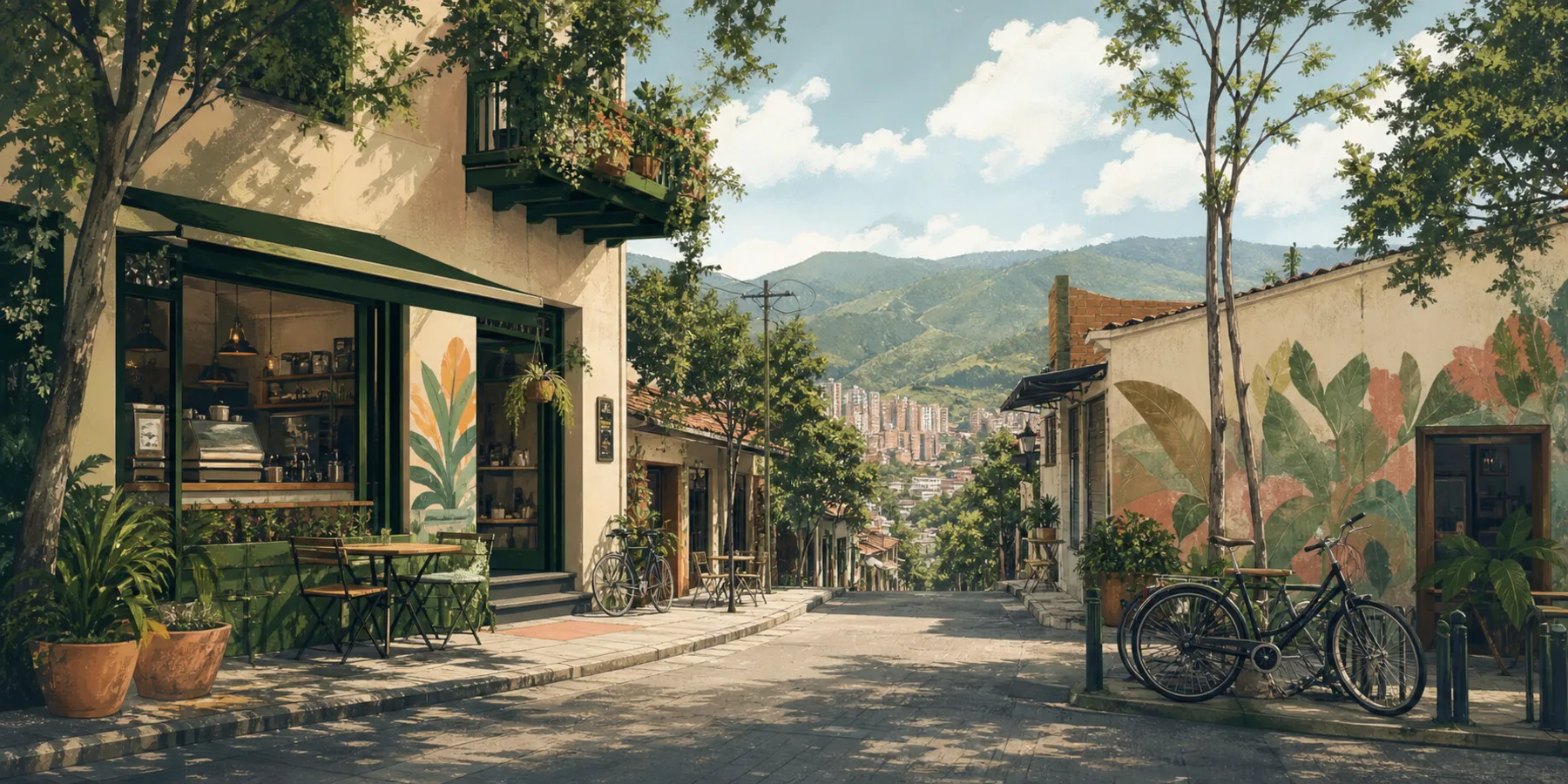
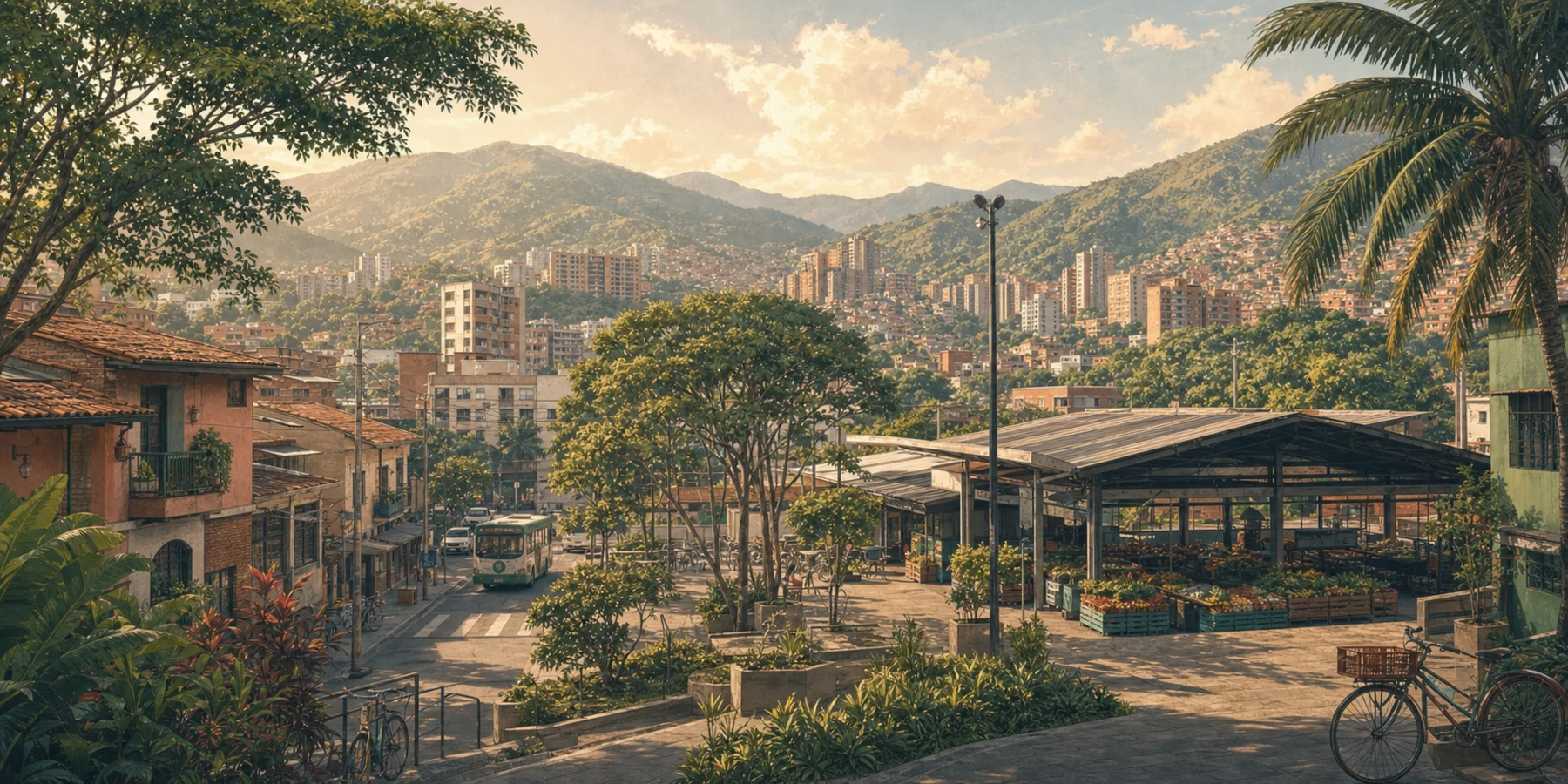
Belén is one of Medellín's large residential comunas, spread across the western side of the river well outside the usual tourist bubble. This is everyday paisa life at full volume: family homes, corner shops, local bakeries, buzzing markets, and a genuine main square, the Parque de Belén, that still functions as a community heart rather than a visitor attraction. Church bells, street vendors, kids playing, and neighbours chatting on doorsteps set the tone. It feels lived-in and authentic in a way that the international pockets of the city simply do not, and that authenticity is precisely its appeal.
The flip side of that character is scale and variety. Belén is big, and it changes a great deal from one sub-sector to the next, ranging from comfortable, leafy middle-class streets to denser, more working-class stretches. There is no single Belén experience, so where exactly you land matters enormously. What stays constant is the local, Spanish-first, non-touristy feel: this is a place to live like a resident, not to be catered to as a visitor. Come with an appetite for real neighbourhood life and a willingness to adapt, and Belén rewards you.
Who it suits, and who it does not
Belén suits independent, longer-stay visitors who are comfortable in Spanish and want to experience the city as locals do. If you value lower costs, real community, and daily immersion over convenience and international polish, this is a strong fit. It works well for people settling in for months rather than days, for those on a budget, and for anyone tired of the expat-heavy bubble who wants a more genuine Colombian routine. Families and long-term residents often find its residential calm and everyday amenities a good match.
It suits less well short-stay visitors, first-timers to the city, or anyone who leans on English-language services and international-facing amenities. The lighter tourist infrastructure, the reliance on Spanish, and the transport quirks can frustrate people expecting the smoothness of El Poblado. If you want walkable nightlife, a dense coworking scene, or the reassurance of familiar international brands and services close at hand, Belén will feel like hard work. Be honest with yourself about your Spanish and your independence before committing to a stay here.
Getting around and location
Belén sits west of the river, and getting around depends heavily on which part you are in. Unlike neighbourhoods built right on the metro spine, much of Belén relies more on buses and ride apps than on the train, and journey experiences vary by sub-sector. The bus network is extensive and cheap but takes local knowledge to use confidently, while ride apps and taxis are the straightforward default for visitors, generally affordable and widely available across the comuna.
Location-wise, Belén is well placed relative to the western half of the city and reasonably connected to the centre and the south, though crossing to the eastern hillsides takes longer. Some sub-sectors are more walkable and self-contained than others, with everything you need within a few blocks, while others sprawl. If reliable, easy transport is a priority, favour sub-sectors with better connections and budget for regular ride-app use. Confirm how any specific apartment connects to where you will actually spend your time before you commit.
Things to see and do
Belén's headline attraction sits right on its edge: Cerro Nutibara, a green hill crowned by Pueblito Paisa, a charming replica of a traditional Antioquian town complete with a little plaza, church, and old-style houses. Beyond the postcard appeal, the hilltop offers one of the finest panoramic viewpoints over Medellín, well worth the trip for the vista alone. It is an easy, pleasant outing and a genuine local landmark, though as ever you should confirm opening times, especially on Sundays and public holidays when it can be busy.
Nearby you will also find the Aeroparque Juan Pablo II, a park built on a former airstrip that gives generous open space for walking, cycling, and events. Within Belén itself, the pleasures are more everyday: the Parque de Belén main square, local markets brimming with produce, and the simple texture of neighbourhood life. This is not a district of ticketed attractions but of lived experience, so the best thing to do is often simply to walk, shop, and eat where the locals do.
Where to eat and drink
Eating in Belén is where its local character shines. This is the place for authentic paisa food at honest prices: hearty bandeja paisa, fresh arepas, roast chicken, empanadas, menú del día lunches, and the produce and street food of the local markets. The dining is Colombian and traditional rather than international, and much the better for it if that is what you want. Neighbourhood bakeries, panaderías, and family-run comedores form the backbone of the scene, and you will eat well and cheaply if you follow the crowds.
What you will not find in abundance is the international variety of El Poblado: fewer sushi bars, fewer trendy brunch spots, fewer foreign cuisines catering to visitors. That is the trade. The area rewards curiosity and a bit of Spanish, since the best spots are often unmarked local favourites rather than anything you will find on an English-language list. Places change constantly, family businesses come and go, and hours vary, so treat any single recommendation as a starting point and confirm before you go, particularly on Sundays.
Coffee, cafés and coworking
Coffee in Belén skews traditional and local: neighbourhood panaderías serving strong tinto with fresh bread, and casual cafés built for locals rather than laptop-toting remote workers. You will find pleasant, inexpensive places for a coffee and a chat, and the experience is authentic and unpretentious. The polished third-wave speciality café scene that fills El Poblado is much thinner here, though it does appear in the more middle-class sub-sectors, so adjust expectations towards cosy and everyday rather than curated and Instagram-ready.
For coworking and serious remote work, Belén is honestly not the natural choice. Dedicated coworking spaces are sparse, café-based working is less established, and internet reliability varies by building and sub-sector, so it pays to verify connectivity carefully before committing to a long stay you plan to work through. If your income depends on dependable, distraction-free days, you may be better based in a work-ready pocket such as Barrio Manila in El Poblado, where StrataSix offers a proper desk and solid fibre internet. Belén works for living; treat your work setup as something to confirm in advance rather than assume.
Nightlife and evenings out
Belén's nightlife is local and low-key rather than a destination in its own right. You will find neighbourhood bars, casual watering holes, and the relaxed evening rhythm of a residential comuna: places to drink a beer, watch football, and socialise with locals rather than glossy clubs or a tourist party scene. It is friendly and unpretentious, and for many people that authentic, community-based evening out is exactly the appeal. Evenings here feel like a real neighbourhood winding down, not a nightlife strip gearing up.
For a bigger or more varied night, most people head elsewhere, and helpfully the La 70 corridor in nearby Laureles is close at hand, offering a livelier, more concentrated stretch of bars and Colombian party energy. El Poblado's international nightlife is a ride away too. So Belén can serve as a calm home base from which you venture out, returning to quiet residential streets afterwards. Venues and their hours change frequently, so confirm timings and, at weekends, whether you need to plan around busy periods.
Parks, green space and staying active
Belén does reasonably well for green and active space, particularly by the standards of a dense residential comuna. Cerro Nutibara is the standout: a genuine green hill you can walk up, combining exercise, nature, and that superb city view. The nearby Aeroparque Juan Pablo II adds substantial open, flat space ideal for running, cycling, and casual sport on a former airstrip, and it is a real asset for anyone wanting room to move outdoors without leaving the western side of the city.
Within the comuna you will also find smaller neighbourhood parks, sports courts, and the local plazas that double as gathering and play spaces. The terrain varies, with some flatter, walkable pockets and some hillier stretches. For structured fitness, gyms and studios are scattered through the more populated sub-sectors. It is not a manicured, green-belt neighbourhood, but between the hill, the aeropark, and local green spots, active residents have enough to work with close to home.
Everyday life: groceries, services and daily needs
For everyday life, Belén is well equipped in the local, practical sense. Supermarkets, neighbourhood markets, panaderías, pharmacies, hardware shops, and the full range of daily services are woven through the comuna, and prices for all of it run lower than in the tourist-facing areas. This is a place built for residents getting on with their lives, so the basics of a daily routine, from fresh produce to household errands, are close at hand and affordable in most sub-sectors.
The gap, again, is international and specialist services. English-speaking providers, imported goods, and visitor-oriented amenities are scarce, so you will need Spanish and a willingness to use local businesses for most things. Larger supermarkets and shopping centres serve the wider area for anything the immediate blocks lack. As everywhere in the city, confirm opening hours directly, since smaller local businesses in particular keep variable times and many reduce hours on Sundays and public holidays. Come prepared to live locally, and daily life runs smoothly and cheaply.
Safety and practical notes
Safety in Belén, as across the city, depends a great deal on the specific sub-sector and the time of day, and the comuna's size means it genuinely varies from block to block. Many parts are comfortable, ordinary residential areas where families go about daily life; others warrant more caution, particularly at night. The sensible approach is to research the specific sub-sector of any apartment, ask locals or your host about the immediate surroundings, and calibrate your habits to where you actually are rather than to the comuna as a whole.
Standard precautions apply throughout: keep your phone and valuables out of sight, prefer ride apps to walking or hailing on the street at night, stay alert around markets and crowds, and stick to busier, better-lit streets after dark. None of this is cause for alarm; it is simply the everyday awareness that serves you well anywhere in Medellín. Belén is a place to live like a resident, and residents manage safety through routine habits and local knowledge, both of which you can build quickly.
Cost and value
Cost is one of Belén's biggest draws. As a residential comuna outside the tourist bubble, it is markedly cheaper than El Poblado and generally better value than more central or amenity-rich districts, across rent, food, and daily living. For budget-conscious long-stay visitors and anyone wanting their money to go further, Belén offers some of the better value in the city, particularly if you eat and shop locally and lean into the resident lifestyle rather than seeking out international options.
The value equation, though, is not only about price. You are trading convenience, international services, transport ease, and tourist infrastructure for those lower costs, and whether that is a good deal depends entirely on your priorities and your independence. For a self-sufficient, Spanish-comfortable person settling in for the long term, the value is excellent. For someone needing smoothness and English-language support, the savings may be offset by daily friction. Prices vary by sub-sector and building, so compare current listings directly and factor in transport costs.
How to decide
Choose Belén if you are staying a while, are comfortable in Spanish, and want an authentic, affordable, residential Colombian life away from the expat bubble. It rewards independent people who will embrace local markets, neighbourhood eateries, and community rhythm, and who see lower costs and genuine immersion as worth the trade in convenience. If living like a local rather than being catered to as a visitor is the goal, Belén delivers that better than almost anywhere in the city, provided you choose your sub-sector with care.
Look elsewhere if you are here short-term, rely on English, need dependable transport and a strong coworking scene, or want walkable nightlife and international amenities close by. In those cases a more visitor-oriented or work-ready base, such as Barrio Manila in El Poblado, will serve you better. The honest summary: Belén is a superb choice for the independent long-stay resident and a frustrating one for the convenience-seeking short-term visitor, so decide based on which of those you are.
Frequently asked questions
Is Belén a good area for foreigners and remote workers?
It suits independent, Spanish-comfortable, longer-stay foreigners who want authentic local life and lower costs. It is less suited to those relying on English or a strong coworking scene, since dedicated work spaces are sparse and internet varies by building. If reliable work days matter, verify connectivity carefully or consider a work-ready base like Barrio Manila in El Poblado.
How do you get around Belén?
Much of Belén relies on buses and ride apps more than the metro, and this varies by sub-sector. The bus network is cheap but takes local knowledge; ride apps and taxis are the straightforward, affordable default for visitors. Check how any specific apartment connects to where you will spend your time before committing.
Is Belén safe?
It varies significantly by sub-sector and time of day, since the comuna is large. Many parts are comfortable residential areas; others warrant more caution at night. Research the specific sub-sector, ask your host or locals about the immediate surroundings, keep valuables out of sight, and prefer ride apps after dark.
What is there to see and do in Belén?
The highlights are Cerro Nutibara with Pueblito Paisa on top, a replica Antioquian town and a superb city viewpoint, and the nearby Aeroparque Juan Pablo II on a former airstrip. Within the comuna, enjoy the Parque de Belén main square, local markets, and everyday neighbourhood life rather than ticketed attractions.
Is Belén cheaper than El Poblado?
Yes, noticeably. As a residential comuna outside the tourist bubble, Belén is markedly cheaper across rent, food, and daily living, especially if you shop and eat locally. The trade is fewer international services, lighter tourist infrastructure, and more reliance on Spanish and ride apps. Prices vary by sub-sector, so compare current listings.
Where do people go out at night from Belén?
Belén itself has local, low-key bars for a relaxed evening. For a livelier night, the La 70 corridor in nearby Laureles is close, offering a concentrated stretch of bars and Colombian party energy, while El Poblado's international nightlife is a ride away. Confirm venue hours, which change frequently.