Neighborhoods
Laureles, Medellín: A Flat, Leafy Neighborhood Guide
Tree-lined streets, a real residential rhythm and strong metro access, with honest notes on distance to El Poblado.
In this guide
- The character of Laureles
- Who it suits, and who it does not
- Getting around and location
- Things to see and do
- Where to eat and drink
- Coffee, cafés and coworking
- Nightlife and evenings out
- Parks, green space and staying active
- Everyday life: groceries, services and daily needs
- Safety and practical notes
- Cost and value
- How to decide
The character of Laureles
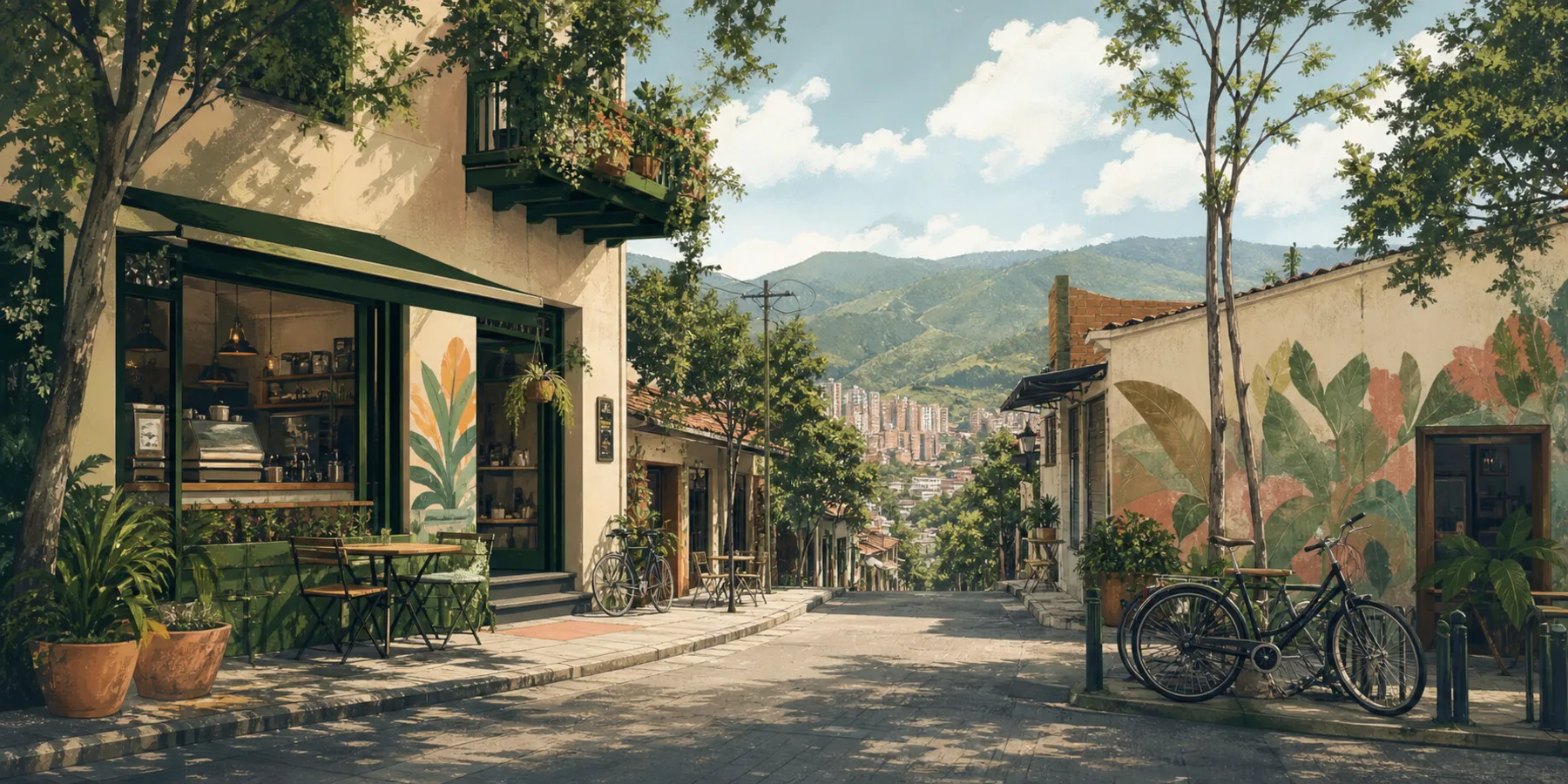
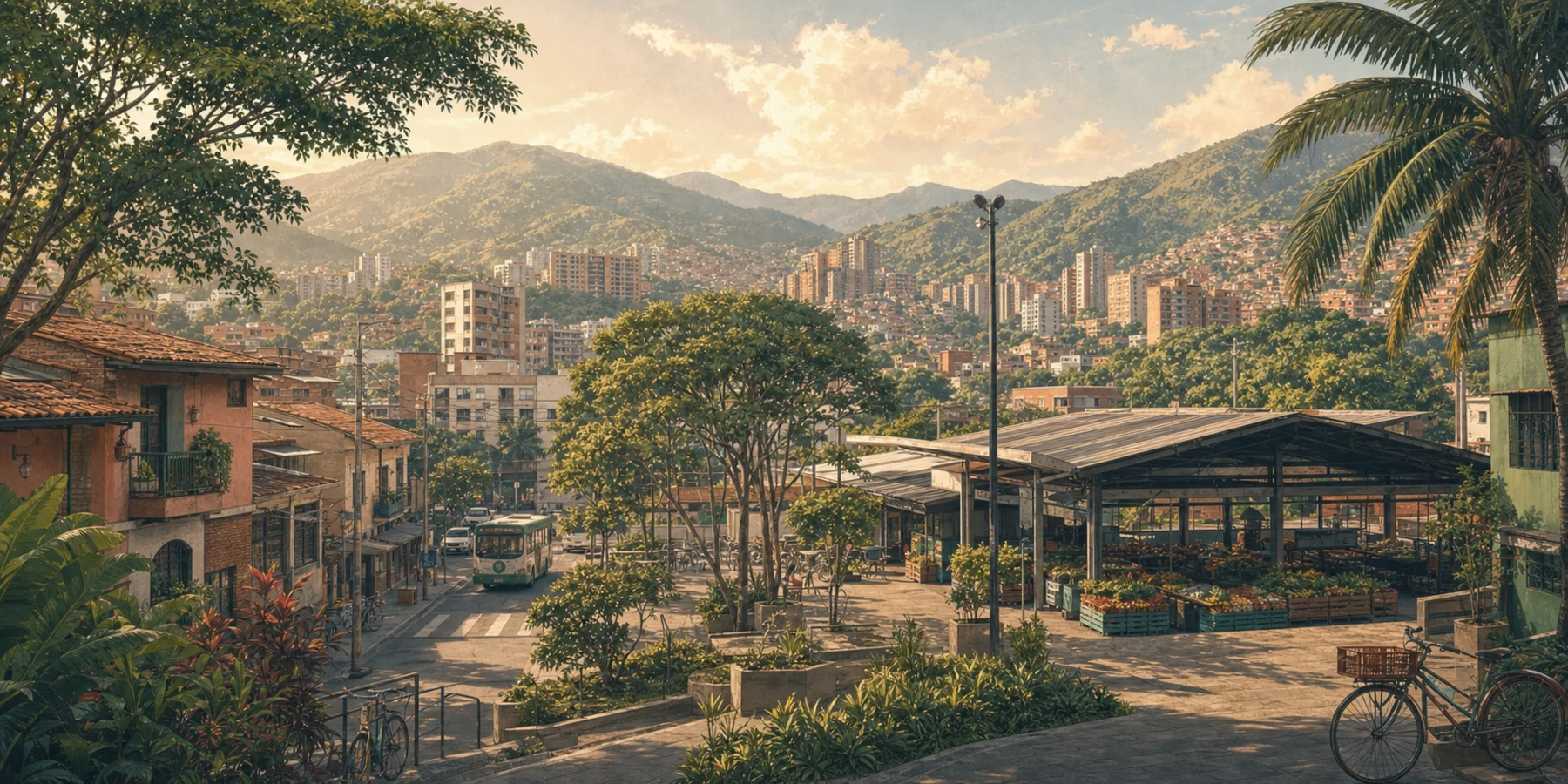
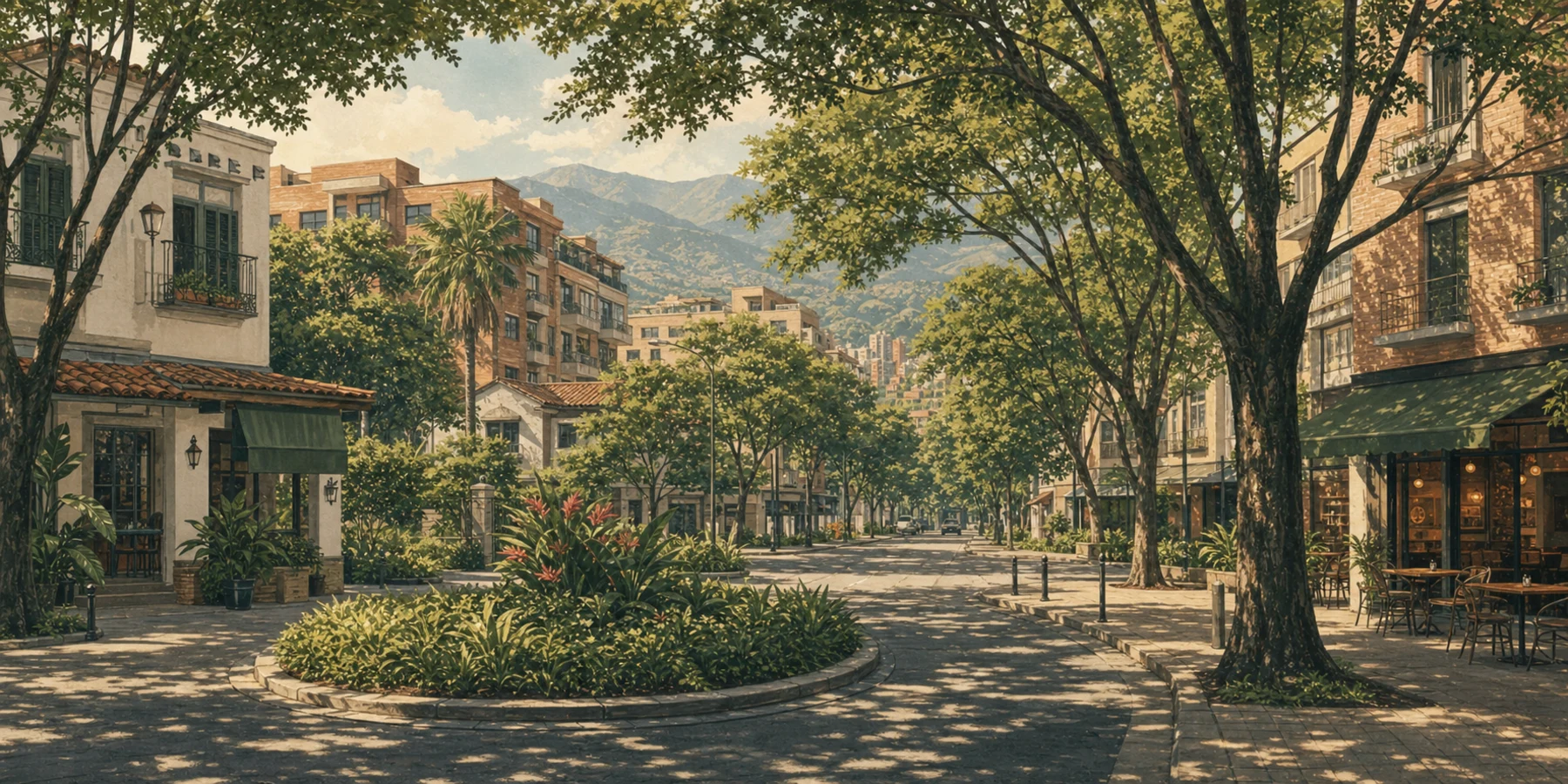
Laureles is the calm, flat counterweight to El Poblado. West of the river, it spreads out in shaded, tree-lined streets rather than climbing the hillsides, and it feels genuinely residential: low buildings, long-settled families, corner bakeries, and a growing number of long-stay foreigners who have decided this is the version of Medellín they want to live in.
The layout is part of the charm and part of the learning curve. Laureles is built around circular streets and roundabouts, anchored by landmarks such as the Primer Parque and the Segundo Parque de Laureles. The looping roads can disorient you for a day or two; give it a little time and the circles start to make sense. The overall feel is unpretentious and green, a neighbourhood where daily life happens at street level rather than behind gated towers.
Who it suits, and who it does not
Laureles rewards people who want to live somewhere rather than pass through. If you are a repeat visitor, a remote worker settling in for weeks or months, or someone whose plans are spread across the city rather than fixed to the east side, it makes a strong, comfortable base. It is quieter, more local, and generally better value than El Poblado, and it gives you a truer sense of everyday paisa life.
It suits you less on a short first trip built around the postcard version of the city. Laureles does not hand you dramatic hillside views or a dense tourist scene on your doorstep; its pleasures are quieter and more residential. If you want to step straight out into destination nightlife and a wall of international restaurants, El Poblado will feel more immediately gratifying. Laureles asks a little more of you, and gives back something steadier.
Getting around and location
Here is the honest trade-off. There is no metro station strictly inside Laureles itself, but the system is close through bordering stations such as Estadio, so the metro is very usable; you simply walk or take a short ride to reach it. For moving around the west of the city and into the centre, that works well and cheaply.
Reaching El Poblado is the main friction. It usually means a metro connection or a car ride, and depending on traffic it can eat into your day more than the map suggests. If your life will revolve around the east side, expect to commute. If your plans are spread across the city, the central position works in your favour. Within the neighbourhood, the flat terrain makes walking and cycling genuinely pleasant, which is a real quality-of-life upgrade over the hills across the river. As anywhere, use a trusted ride app or an established taxi rather than flagging unmarked cars, particularly late at night.
Things to see and do
Laureles is a neighbourhood to experience rather than a checklist of monuments, and its best sights are its own streets. Start with the two parks. The Primer Parque and the Segundo Parque de Laureles are the social anchors of the area, shaded squares ringed by cafés and casual restaurants where the neighbourhood gathers; the Segundo Parque in particular is a lovely place to sit with a coffee and watch local life. Walking the circular streets between them under the tree canopy is genuinely one of the nicer slow mornings in Medellín.
For something more active, the Atanasio Girardot sports complex sits on the edge of Laureles in the neighbouring Estadio sector. Beyond its public pools and courts, the stadium hosts the city's football matches and the occasional concert, and catching a game is a memorable, high-energy way to feel local culture; buy tickets through official channels and keep valuables secure in the crowds. A short ride away, Cerro El Volador, a large protected hill, offers walking paths and wide views across the valley. Go in daylight, ideally not entirely alone, and confirm current access.
Laureles also makes an easy base for the rest of the city. The flat streets and nearby metro let you combine a relaxed neighbourhood morning with an afternoon at the Botanical Garden, Comuna 13 with a community guide, or the historic centre. Treat the neighbourhood itself as the attraction, and the wider city as day trips from your door.
Where to eat and drink
Laureles eats very well, and mostly without pretension. The options follow two threads: the lively La 70 corridor, Avenida 70, which runs to sports bars, grilled-meat restaurants, casual international food and a loud weekend crowd; and the calmer streets around the two parks, where neighbourhood restaurants, bakeries and family kitchens serve traditional paisa food at fair prices. For a first taste of the area, wander the blocks around the Segundo Parque and pick somewhere busy with locals.
Traditional Antioquian cooking is the backbone, from grilled meats and hearty set lunches, the menú del día, to arepas, soups and fresh juices. International food has arrived too, so pizza, sushi and burgers are easy to find, particularly along and around La 70. Individual restaurants open and close constantly, so treat any single recommendation as a starting point rather than a fixed list, and confirm hours directly, especially on Sundays and public holidays. Popular rooms fill on weekend evenings, so reserve where you can, and check whether a service charge of around ten percent is already on the bill before tipping again.
Coffee, cafés and coworking
Laureles has embraced Colombia's specialty-coffee culture, and the neighbourhood is dotted with cafés that pour a good flat white and make a comfortable spot to read or work for an hour. The streets around the parks and along the quieter avenues are the places to look, and many pair good coffee with breakfast and brunch, which makes them natural morning bases.
For remote workers, cafés are excellent for a change of scene, but seating, plugs, noise and Wi-Fi quality vary by the hour, and nursing a single coffee at a laptop all day is poor form. Laureles also has coworking spaces for anyone who needs meeting rooms, dependable infrastructure or a little community, though fewer than in El Poblado. For calls and deep work, the reliable default is still a private, properly equipped desk with fibre internet; every StrataSix residence, over in Barrio Manila, is built around exactly that, and keeping mobile data as a backup is sensible wherever you are based.
Nightlife and evenings out
The centre of gravity for going out is La 70. It is loud, local and fun, heavier on sports bars, casual drinking and salsa than on the polished cocktail scene of Provenza. On weekend nights it fills up and stays lively late, which makes it a great place to watch the city relax and a poor place to sleep; sit a few streets back from the strip if you want a quiet evening.
For a big night of destination bars and clubs, most people head across to El Poblado, which the central position makes easy. Whatever you choose, apply the usual nightlife sense: stay with people you know, keep your phone away, never accept drinks or invitations from strangers, and arrange trusted transport home rather than walking unfamiliar streets late.
Parks, green space and staying active
This is one of Laureles' quiet strengths. The flat, shaded grid is a genuine pleasure to walk and cycle, rare in a city built on hills, and the two parks give the neighbourhood green, social focal points. For more serious exercise, the Atanasio Girardot complex on the edge of the area has public pools, athletics facilities and open running space, while Cerro El Volador offers hill walks and city views a short ride away.
Gyms, yoga studios and running routes are easy to find, and the terrain makes an evening walk or a morning run far more appealing than in steeper districts. For anyone whose routine depends on staying active, Laureles is one of the easiest neighbourhoods in the city to keep it going.
Everyday life: groceries, services and daily needs
Practical life in Laureles is easy, which is a big part of why long-stay visitors settle here. Supermarkets, fresh-produce shops, bakeries, pharmacies, banks, laundries and everyday services are woven through the residential streets rather than shut inside a mall, so most errands are a short walk from home, and larger shopping centres are a quick ride away when you need them.
Because the neighbourhood is more local than the international pockets across the river, a little Spanish goes a long way with shopkeepers, building staff and service providers, and not everyone will switch to English. That is part of the appeal of a residential base, and a translation app covers the gaps. Delivery apps such as Rappi operate widely, so groceries, pharmacy items and meals can come to your door on the days you would rather not go out.
Safety and practical notes
Laureles is a settled residential area, and ordinary city habits are enough. Keep valuables and your phone out of sight, and stay a little more alert in the busier weekend crowds along La 70, where drink and noise raise the usual small risks. Use trusted transport apps or known taxis at night rather than walking long distances through unfamiliar stretches, and favour daylight for exploring the edges of the area until you know them.
Register guests properly with your residence, keep to reputable venues, and treat travel-time estimates as approximate, since valley traffic can turn a short hop into a slow one at the wrong hour. None of this reflects any special risk in Laureles; it is the same measured approach that serves you well across the city, applied in a neighbourhood that happens to be calmer and more residential than most.
Cost and value
Value is one of the strongest arguments for Laureles. It generally costs less than El Poblado across the board, from eating out to longer stays, while offering a fuller, more residential slice of life. You are trading proximity to the flashiest nightlife and the biggest concentration of tourist-facing venues for space, calm and better everyday economics.
For long-stay visitors especially, that trade tends to pay off. The money saved on rent and daily costs can fund the occasional ride across to El Poblado when you want it, which for many people is the best of both worlds. Prices shift and have been rising across Medellín, so confirm current figures directly rather than assuming, but the broad pattern of Laureles offering more for less holds up well.
How to decide
Choose Laureles if you are coming back to Medellín, staying a while, or spreading your time across the city rather than anchoring to the east side. It is flat, green, well priced and pleasantly ordinary in the best sense, a place to live rather than to perform a holiday. Think twice if this is a short first visit centred on El Poblado nightlife, because you will spend time commuting and miss some of the immediate buzz. The honest verdict is that Laureles is the neighbourhood many visitors quietly come to prefer once the novelty of the east side wears off.
Frequently asked questions
Is Laureles good for remote work?
Yes. Flat, walkable streets make a café change of scene easy, and the neighbourhood is calmer than El Poblado. For calls and deep work, a private, properly equipped desk remains more reliable than a café, and a mobile data backup is wise.
How far is Laureles from El Poblado?
They sit on opposite sides of the river. Reaching El Poblado usually means a metro connection or a ride, so Laureles suits visitors whose plans are spread around the city rather than concentrated in the south.
Is Laureles noisy?
The La 70 corridor is lively and can be loud on weekend nights. The quieter interior streets are much calmer, so check your specific block before a long stay.
Do I need Spanish to stay in Laureles?
It helps. Laureles is more local than the international pockets of El Poblado, so not everyone in shops, bakeries and casual restaurants will switch to English. Basic Spanish and a translation app go a long way, and using them is part of the appeal of a more residential base.
What is there to do in Laureles?
Laureles is more about neighbourhood life than big sights. Walk the circular streets and the two main parks, catch a football match or use the public pools at the nearby Atanasio Girardot sports complex, and take in valley views from Cerro El Volador. Its flat, central position also makes it an easy base for day trips to the Botanical Garden, Comuna 13 or the centre.
Where should I eat in Laureles?
The two clusters to explore are the lively La 70 corridor, strong on sports bars, grilled meats and casual international food, and the calmer streets around the Segundo Parque, where neighbourhood restaurants and bakeries serve traditional paisa food. Individual places change often, so pick somewhere busy with locals and confirm hours directly.