Attractions
Isla de Lobos and Isla Gorriti: Boat Trips from Punta del Este
Two boat trips from the port: a beach day on wooded Isla Gorriti, and a ride out to watch the sea lion colony at Isla de Lobos from the water.
In this guide
The short version
Two islands sit off Punta del Este, and they make very different trips.
Isla Gorriti is the wooded island in the Bay of Maldonado, the one you see from Playa Mansa. Boats from the port reach it in about 15 minutes in summer. You land, swim from sheltered beaches, walk through pine woods and look at the ruins of eighteenth-century Spanish gun batteries.
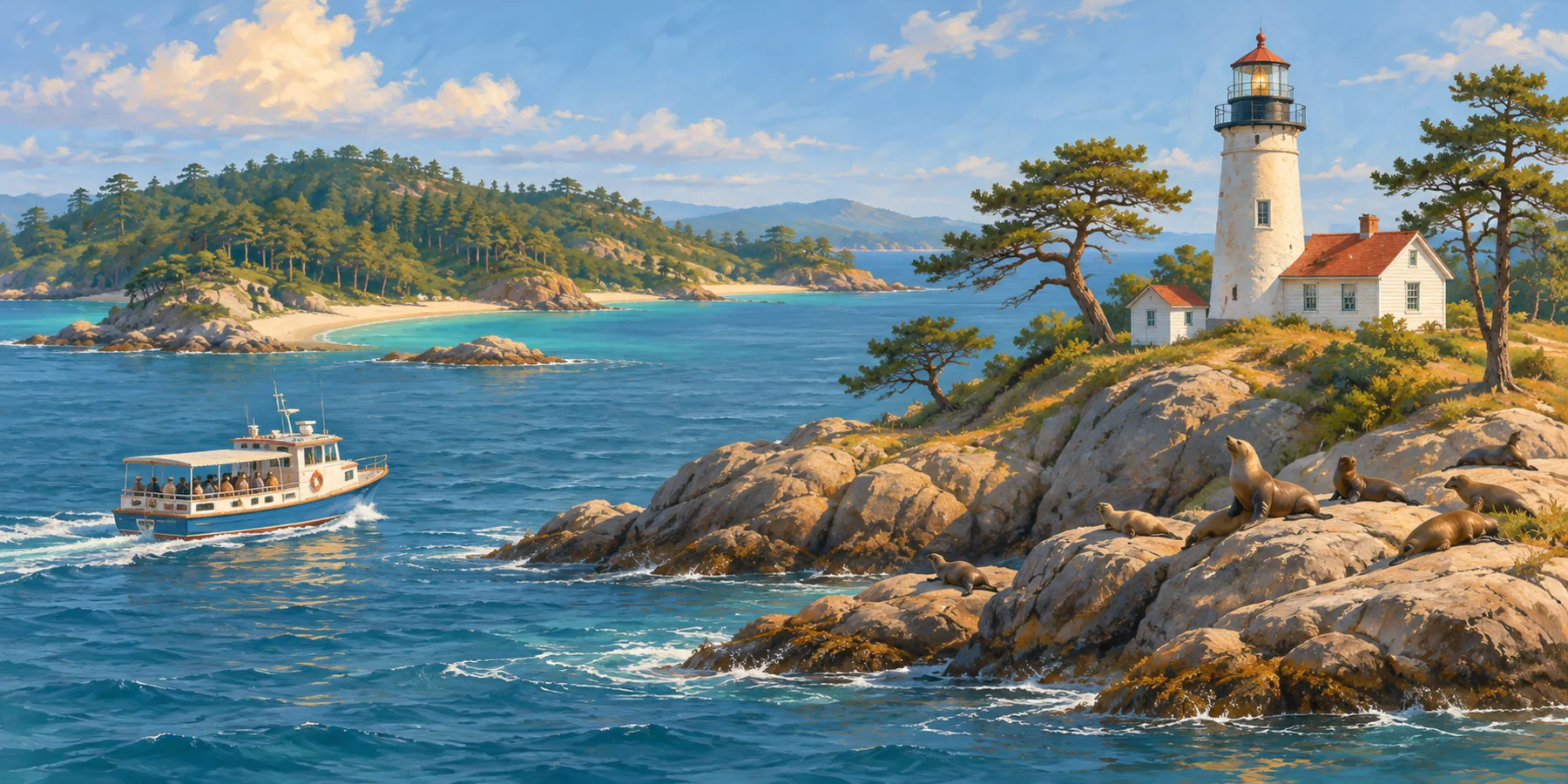
Isla de Lobos lies about 8 km southeast of the coast in open water, roughly 40 minutes by boat. It holds one of the largest sea lion and fur seal colonies in the Americas and has been a national park since 2024. Visits are by boat around the island: the park decree prohibits visitors from landing, so you watch the colony from the water.
Both trips leave from the port on the Península. Book on the day at the port or in advance through an operator, and check the weather first: wind decides everything.
Isla Gorriti: what is there
Gorriti is about 1.7 km long and covers roughly 71 hectares, with a high point of 19 metres. It has two main beaches. Playa Honda, on the western bay, is the sheltered anchorage where yachts gather in summer, with a seasonal beach bar. Playa Puerto Jardín is on the north side. Boats land at a small pier on the eastern side, at Puerto Cañón.
The island has a long military history. The Spanish fortified it in the second half of the eighteenth century to guard the bay against Portuguese ships, and the remains of stone batteries, some with old cannons, are still visible among the trees. It was bombarded and taken by the British in 1806. A fire in the late nineteenth century destroyed much of the original vegetation, and the pines you walk through today were planted afterwards. Gorriti is a protected natural reserve and a national historic monument, and no building is allowed.
Services are minimal. Bring water, food, sunscreen and a bag for your rubbish, and check whether lifeguards are on duty before swimming.
Getting to Gorriti
In high summer, small passenger boats have historically run from the port of Punta del Este to Gorriti frequently through the day, weather permitting. Outside the summer season, service is reduced or stops entirely. Times and fares change from year to year and are set by the operators, so ask at the port for the current schedule and, above all, for the time of the last boat back.
The crossing is short and usually calm, since it stays inside the bay. It is a good half-day outing for families, and you can combine it with lunch on the Península afterwards.
Isla de Lobos: the sea lion colony
Isla de Lobos is a low, rocky island of about 43.5 hectares, with a smaller islet beside it. It is the southernmost point of Uruguayan land, and its lighthouse, first built in 1858 and rebuilt in 1906, is one of the tallest in South America.
The island is known for its colony of two species: the South American fur seal (lobo fino) and the South American sea lion (león marino). A count in 2005 reported about 250,000 fur seals and some 1,500 sea lions, which made it one of the largest such colonies in the Western Hemisphere. Southern elephant seals occasionally rest on the rocks, and dolphins, orcas and southern right whales pass through the surrounding waters.
In August 2024 Uruguay declared the island, the islet and the seabed around them a national park, Isla e Islote de Lobos y su entorno sumergido, the first entirely marine area in the country's protected areas system. The decree prohibits visitors from landing on the islands or their rocky edges for recreation or tourism, with exceptions only by prior authorisation from the national biodiversity authority. Earlier proposals for a visitor pier and walkways were made before the park was created; for now, every tourist visit is from the boat.
Taking a Lobos tour
Tours leave from the port and take about 40 minutes each way, then slowly circle the island. Allow around two hours in total, plus check-in time. Some operators combine Lobos with a pass by Gorriti.
A few points to know before you book:
- The sea is open. Unlike the Gorriti crossing, the route to Lobos leaves the shelter of the bay. Even on a sunny day there can be swell, and trips are cancelled in strong wind. If you are prone to seasickness, prepare accordingly.
- Dress for wind and spray. It is noticeably cooler on the water than on the beach.
- Choose an established operator. Buy from operators with a desk at the port, check that life jackets are provided and ask how long you will spend at the island.
- Respect the distance. The colony is protected. Do not ask the crew to get closer than they choose to, and keep noise down near the rocks.
- Bring binoculars and a zoom lens if you have them. The smell from the colony travels, which is part of the experience.
When to go
Gorriti is a summer trip: December to March, when boats run often and the beach bar is open. Isla de Lobos can be visited whenever operators run and the weather allows, since the colony is there all year. In summer there are more departures. In winter and spring there is a chance of seeing whales offshore, though nothing is guaranteed, and fewer boats operate. For the wider picture of the seasons, see our guide to the best time to visit Punta del Este.
Practical tips
- Getting to the port. The port is on the Península. From Playa Mansa it is a short taxi or bus ride, or a long walk along the rambla. Parking near the port is tight in January.
- Book the morning. The wind often rises in the afternoon, and morning departures are more likely to run on schedule.
- Pay attention to the last boat. On Gorriti in particular, missing it means a long wait or an expensive private ride.
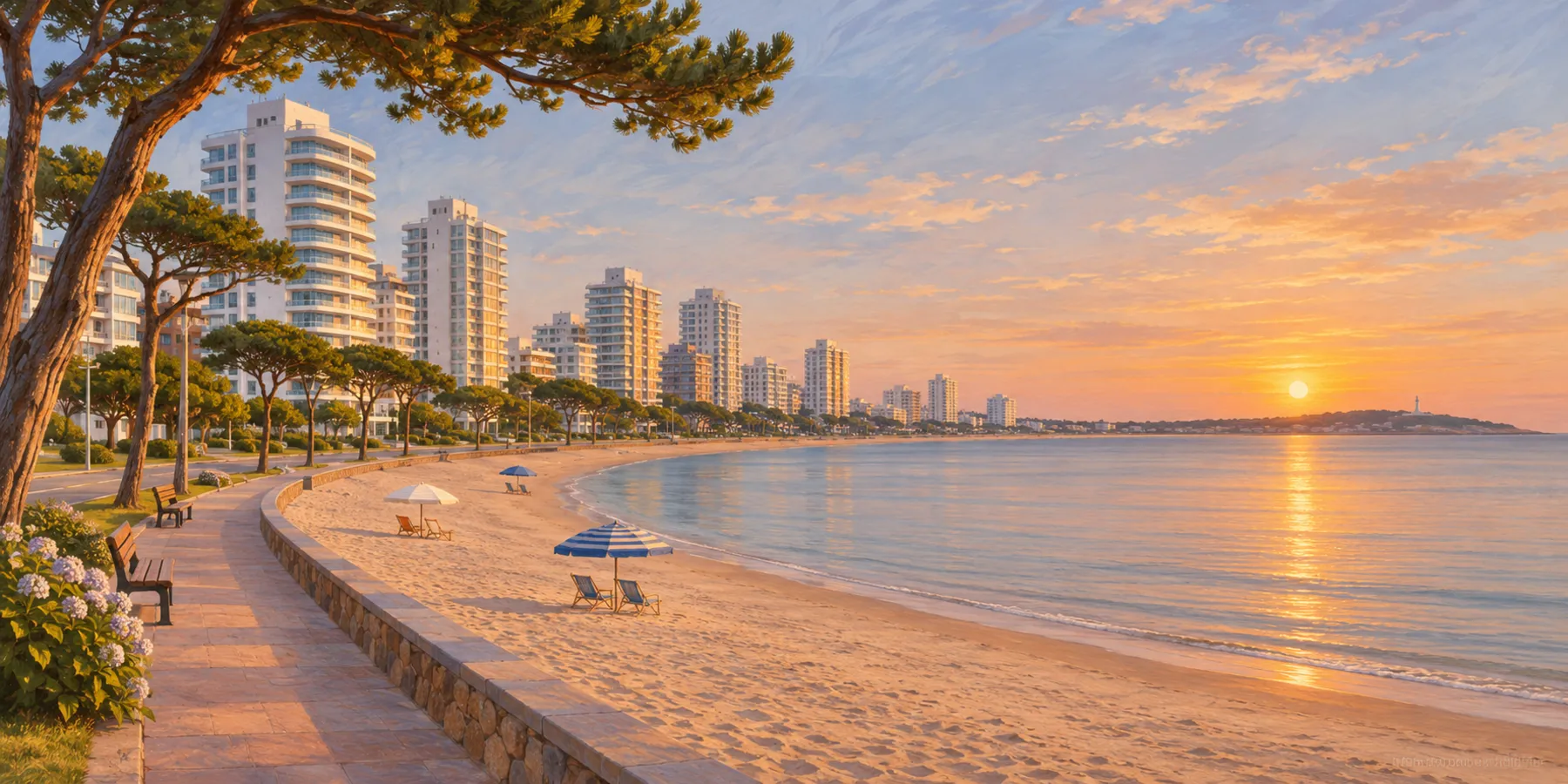
- Pair it with the beach. Gorriti is clearly visible from the Playa Mansa side, and once you have been there you will notice it every evening.
If you are basing yourself at our ocean-view apartment on Playa Mansa, a morning boat trip and an afternoon on the calm Mansa beach make a full, easy day with children.
Frequently asked questions
Can you land on Isla de Lobos?
No. The island has been a national park since 2024, and the decree that created it prohibits visitors from landing for recreation or tourism. Tours circle the island so you watch the colony from the boat.
How long does the boat trip to Isla de Lobos take?
About 40 minutes each way from the port of Punta del Este, plus time circling the island. Allow around two hours in total.
How do I get to Isla Gorriti?
Passenger boats run from the port of Punta del Este in summer, and the crossing takes about 15 minutes. Outside the season service is reduced or stops. Ask at the port for current times and the last boat back.
Is there anything to buy on Isla Gorriti?
Very little. A seasonal beach bar operates at Playa Honda in summer, but bring water, food, sunscreen and a bag for rubbish.
When is the best time to see the sea lions?
The colony is on the island all year, so any day when boats run is fine. Summer has more departures. Morning trips are more likely to run, because the wind often rises in the afternoon.
Sources and review notes
- Isla e Islote de Lobos y su entorno sumergido, Ministry of Environment of Uruguay , checked 2026-11-13
- Decree 233/024: Isla e Islote de Lobos protected area, IMPO , checked 2026-11-13
- Isla Gorriti, Wikipedia in Spanish , checked 2026-11-13
- Isla de Lobos (Uruguay), Wikipedia in Spanish , checked 2026-11-13
Next editorial review: 13 May 2027